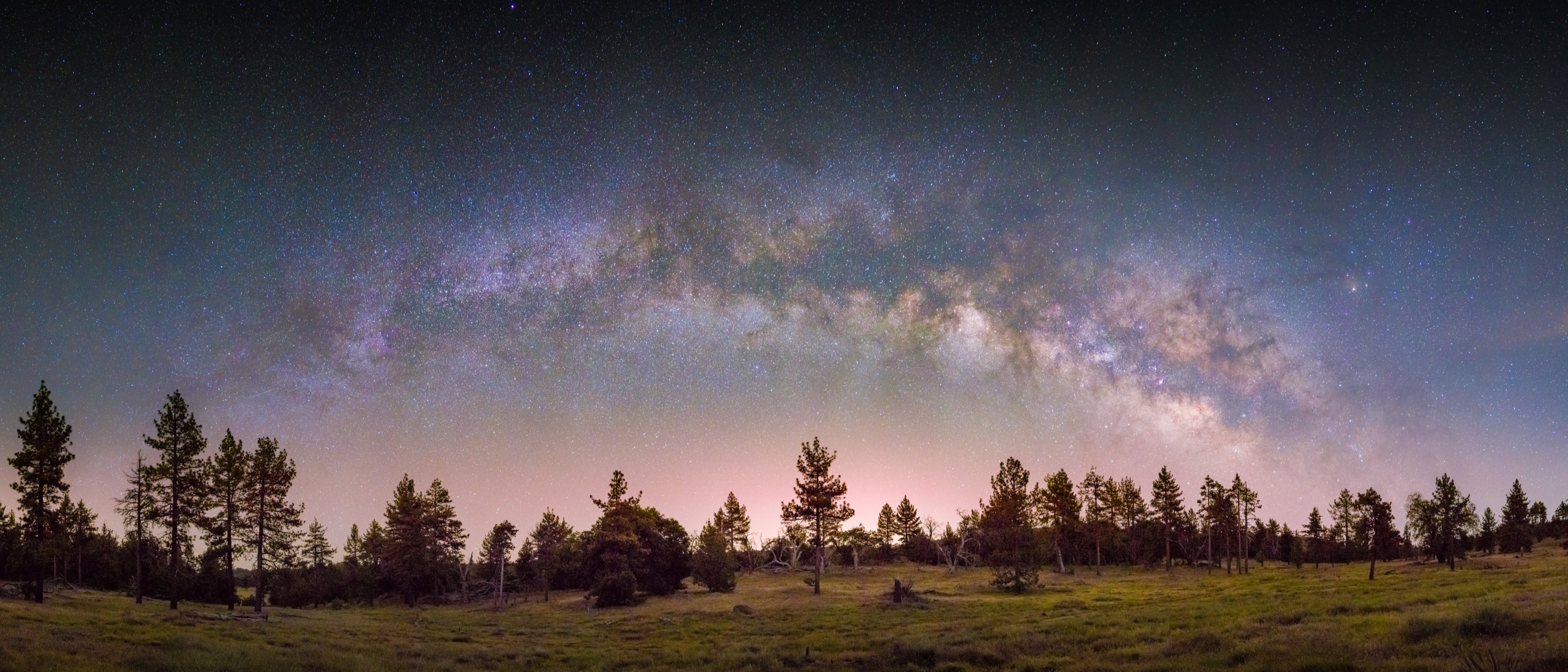
Torrey Pines gives you something Sunset Cliffs cannot: quiet. The bluffs are just as dramatic, the rare pines give you foreground and texture that reads beautifully on camera, and once you are a few minutes up a trail the crowd thins out fast.
When is the best time of day to film at Torrey Pines?
Late afternoon into golden hour for the bluff overlooks, or early morning if you want the beach below to yourself. The pines cast long directional shadows in the last two hours of light, which is the single most cinematic thing about this location.
Do you need a permit at Torrey Pines?
Torrey Pines is a State Natural Reserve, not a city park, and it is managed more strictly than most San Diego locations — including rules on group size and commercial filming. There is also a day-use parking fee. Because it is a protected reserve, go through California State Parks for current permit requirements rather than assuming a small ceremony is automatically fine.
What should we know before planning a Torrey Pines ceremony?
The main lot fills early; the free street parking along North Torrey Pines Road adds a walk uphill. Trails are sandy and uneven, so factor footwear into your timeline if there is a dress involved. Nothing food or drink related is allowed in the reserve.
How much does a elopement film at Torrey Pines cost?
Founding rates are currently $750 for a two-hour film, $1,600 for a half day (4 hours), and $2,200 for a full day (8 hours) — reduced from standard rates of $950, $2,400 and $3,500. There is no travel fee anywhere in San Diego County, Torrey Pines included. Every option includes a cinematic highlight film, the full ceremony recording, digital delivery, and two rounds of revisions.
On permits: rules change, and they differ between city, county, state park and national forest land. Treat everything above as a starting point and confirm with the managing agency before you lock a date. I'm happy to walk through it with you.